
Energy flowSpec B15.1.1, B15.1.2
In short
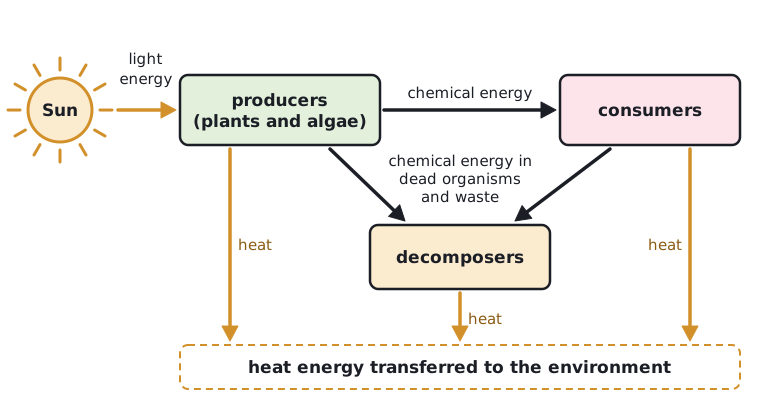
The Sun is the principal source of energy input to biological systems. Plants and algae transfer light energy into chemical energy in organic nutrients by photosynthesis. This chemical energy passes to animals by feeding and to decomposers. Energy flows in one direction, not a cycle, and at every stage much of it is transferred to the environment as heat.
The Sun is the principal source of energy input to biological systems. Without light from the Sun there would be almost no energy entering living things.
Energy does not go round in a cycle. It flows through living organisms in one direction and is eventually transferred to the environment.
- Light energy from the Sun is absorbed by green plants and algae. They transfer it to chemical energy in organic nutrients (such as glucose) by photosynthesis.
- Chemical energy passes to animals when they eat plants, and to other animals when they eat those animals.
- Chemical energy passes to decomposers when they feed on dead organisms and waste.
- At every stage, organisms transfer energy by respiration. Much of it is eventually transferred to the environment as heat.
 (opens full size in a new tab)
Name the forms of energy: light energy from the Sun, chemical energy in organisms, and heat lost to the environment. Do not say that energy is 'used up' or 'destroyed'.
Written and checked against the Cambridge IGCSE Combined Science (0653) specification · Updated October 2026