
Structure and function of the heartSpec 2.65
In short
The heart is a muscular pump with four chambers: two atria that receive blood and two ventricles that pump it out. The septum separates the left and right sides so oxygenated and deoxygenated blood do not mix, and valves prevent backflow. The left ventricle has the thickest wall because it pumps blood around the whole body.
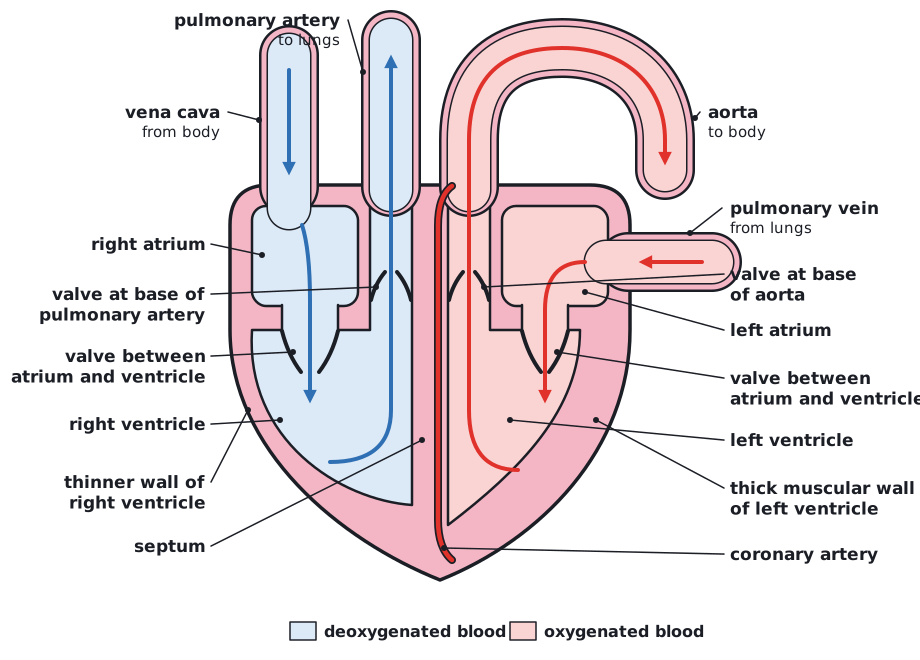
The heart is a muscular pump. It has four chambers: two atria at the top, which receive blood, and two ventricles below, which pump blood out. A wall of muscle called the septum separates the left side from the right side, so oxygenated and deoxygenated blood do not mix.
- Deoxygenated blood from the body enters the right atrium through the vena cava.
- The right atrium contracts and pushes blood into the right ventricle.
- The right ventricle contracts and pumps blood to the lungs through the pulmonary artery.
- Oxygenated blood returns from the lungs through the pulmonary vein into the left atrium.
- The left atrium contracts and pushes blood into the left ventricle.
- The left ventricle contracts and pumps blood around the body through the aorta.
| Blood vessel | Carries blood | Between |
|---|---|---|
| Vena cava | Deoxygenated | Body to right atrium |
| Pulmonary artery | Deoxygenated | Right ventricle to lungs |
| Pulmonary vein | Oxygenated | Lungs to left atrium |
| Aorta | Oxygenated | Left ventricle to body |
 (opens full size in a new tab)
Valves
The heart has valves between the atria and ventricles, and at the bases of the aorta and pulmonary artery. They open to let blood flow forwards and close to prevent backflow.
Wall thickness
- The ventricles have thicker, more muscular walls than the atria, because they pump blood out of the heart.
- The left ventricle has a thicker wall than the right. It pumps blood all the way around the body, which needs a higher pressure. The right ventricle pumps blood only to the nearby lungs.
The heart muscle needs its own supply of oxygen and glucose. This is brought by the coronary arteries, which run over the surface of the heart.
The heart is drawn as if you are facing the person, so the left side of the heart is on the right of the page. Check which side is which before you answer.
Written and checked against the Edexcel IGCSE Science Double Award (4SD0) specification · Updated October 2026