
Book a tutor

Insulin and blood glucose

Animal coordination, control and homeostasis · Blood glucose and diabetes · note 1 of 5

Insulin and blood glucoseSpec 7.13

In short

Insulin is a hormone secreted by the pancreas when blood glucose concentration rises, for example after a meal. Insulin makes cells take up glucose from the blood, and in the liver and muscles glucose is converted into glycogen for storage. Blood glucose concentration then falls back to normal. The pancreas makes insulin, and the liver stores glycogen.

Blood glucose concentration must stay steady. It rises after a meal. The pancreas detects this and secretes the hormone insulin into the blood.

  1. Blood glucose concentration rises after a meal.
  2. The pancreas secretes insulin into the blood.
  3. Insulin makes cells take up glucose from the blood. In the liver and muscles, glucose is converted into glycogen for storage.
  4. Blood glucose concentration falls back to normal.
Common mistake:

The pancreas makes insulin. The liver stores glycogen. Do not write that the pancreas stores glucose.
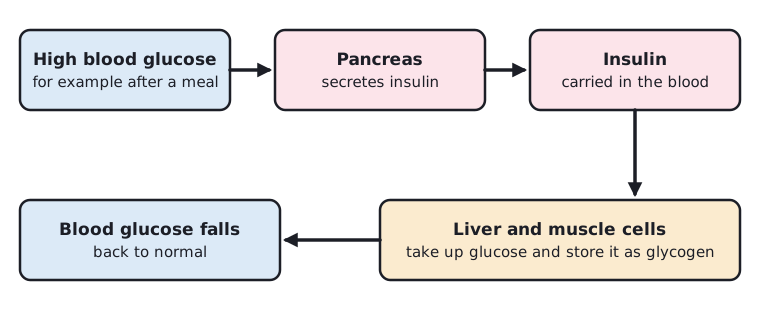
Flow diagram: high blood glucose after a meal, the pancreas secretes insulin, insulin is carried in the blood, liver and muscle cells take up glucose and store it as glycogen, and blood glucose falls back to normal. (opens full size in a new tab)
How insulin brings a high blood glucose concentration back to normal.

Written and checked against the Edexcel GCSE Combined Science (1SC0) specification · Updated October 2026

Frequently asked questions

What does insulin do to blood sugar?

Insulin lowers blood sugar. The pancreas secretes insulin into the blood when blood glucose concentration rises, for example after a meal. Insulin makes cells take up glucose from the blood, and in the liver and muscles the glucose is converted into glycogen for storage. Blood glucose concentration then falls back to normal.

How does the body control blood glucose levels?

Higher tier The pancreas controls blood glucose using two hormones. When blood glucose is too high, it secretes insulin, so cells take up glucose and the liver stores it as glycogen. When blood glucose is too low, it secretes glucagon, so the liver changes glycogen into glucose. This negative feedback keeps blood glucose close to normal.

What is the difference between type 1 and type 2 diabetes?

In type 1 diabetes the pancreas does not produce enough insulin, so it is controlled by insulin injections, blood glucose monitoring and diet. In type 2 diabetes the body cells no longer respond properly to insulin. Type 2 is linked to obesity and is controlled by diet, exercise and weight loss, sometimes with medication.

All 5 questions on Blood glucose and diabetes