
The carbon cycleSpec 9.13
In short
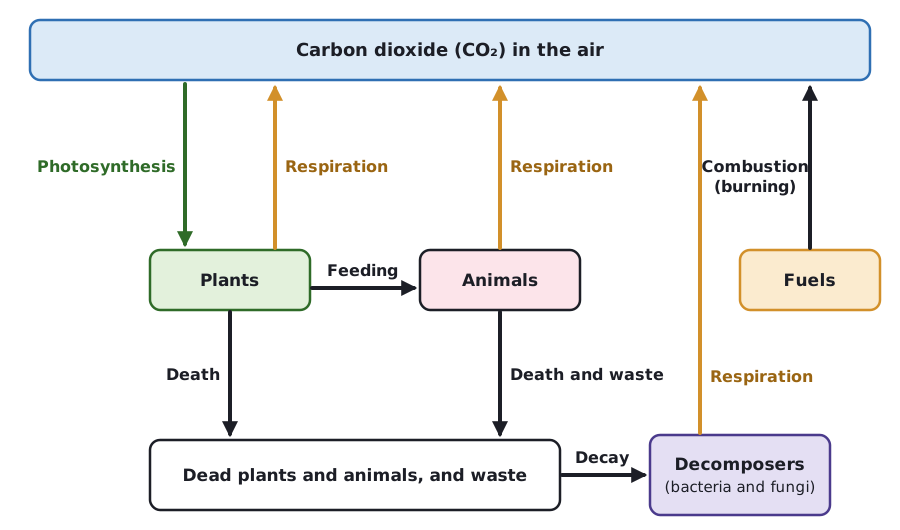
The carbon cycle returns carbon to the atmosphere as carbon dioxide, so plants can use it again in photosynthesis. Plants and algae take in carbon dioxide by photosynthesis, and carbon compounds pass along food chains. Respiration by all organisms, including decomposers breaking down dead material, and combustion of fuels release carbon dioxide back into the air.
All living things are made of carbon compounds. The carbon cycle is important because it returns carbon to the atmosphere as carbon dioxide, so that it is available for plants to use in photosynthesis again.
- Plants and algae take carbon dioxide from the air and use it in photosynthesis to make carbon compounds such as glucose, starch and proteins.
- The carbon compounds pass along the food chain when animals feed.
- All organisms (plants, animals and decomposers) release carbon dioxide into the air by respiration.
- When plants and animals die, their bodies and waste are broken down by decomposers, which release carbon dioxide into the air by respiration.
- Burning of fuels (combustion) also releases carbon dioxide into the air.
The role of microorganisms as decomposers
Decomposers are microorganisms such as bacteria and fungi. They release enzymes to break down dead plants, dead animals and waste, and they respire, releasing carbon dioxide into the air. Without decomposers, dead material would pile up, carbon would be locked in it, and the supply of carbon dioxide for photosynthesis would run out. Decomposers also release mineral ions back into the soil.
Name the process at each arrow: photosynthesis takes carbon dioxide in, and respiration (including by decomposers) and combustion put it back.
 (opens full size in a new tab)
Written and checked against the Edexcel GCSE Combined Science (1SC0) specification · Updated October 2026