
Insulin and blood glucoseSpec 7.13
In short
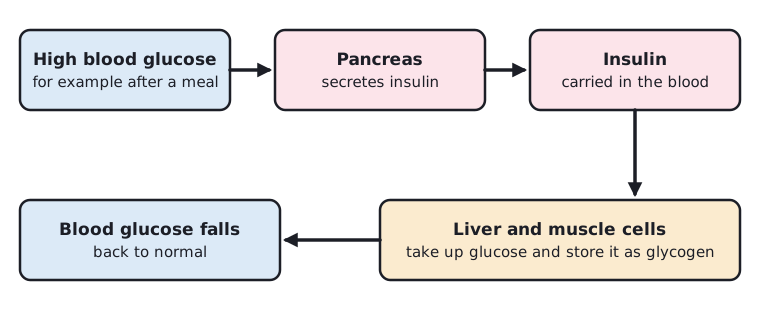
Insulin is a hormone secreted by the pancreas when blood glucose concentration rises, for example after a meal. Insulin makes cells take up glucose from the blood, and in the liver and muscles glucose is converted into glycogen for storage. Blood glucose concentration then falls back to normal. The pancreas makes insulin, and the liver stores glycogen.
Blood glucose concentration must stay steady. It rises after a meal. The pancreas detects this and secretes the hormone insulin into the blood.
- Blood glucose concentration rises after a meal.
- The pancreas secretes insulin into the blood.
- Insulin makes cells take up glucose from the blood. In the liver and muscles, glucose is converted into glycogen for storage.
- Blood glucose concentration falls back to normal.
Common mistake:
The pancreas makes insulin. The liver stores glycogen. Do not write that the pancreas stores glucose.
 (opens full size in a new tab)
Written and checked against the Edexcel GCSE Biology (1BI0) specification · Updated October 2026