
Receptors and the nervous pathwaySpec 2.13
In short
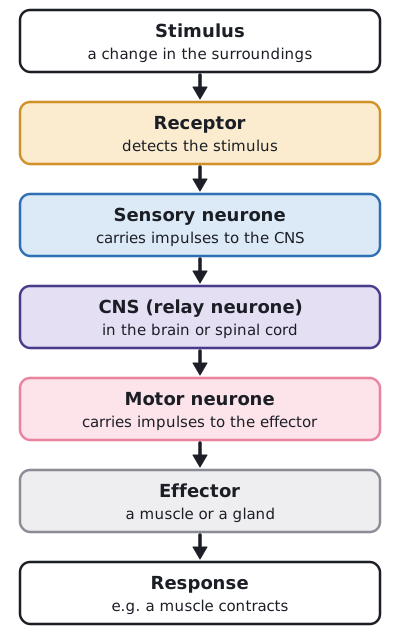
A nervous pathway carries information from a sensory receptor to an effector. A receptor detects a stimulus and produces an electrical impulse. A sensory neurone carries it to the central nervous system, a relay neurone passes it on, and a motor neurone carries it to an effector, a muscle or gland, which produces a response.
The nervous system lets an organism respond to changes in its surroundings. The brain and spinal cord make up the central nervous system (CNS). A sensory receptor is a cell that detects a stimulus (a change in the surroundings) and produces an electrical impulse.
- A sensory receptor detects a stimulus.
- A sensory neurone carries the electrical impulses to the CNS.
- A relay neurone in the CNS passes the impulses on.
- A motor neurone carries the impulses from the CNS to an effector (a muscle or a gland).
- The effector produces a response.
| Neurone | Function |
|---|---|
| Sensory neurone | Carries impulses from a receptor to the CNS |
| Relay neurone | Found in the CNS. Connects the sensory neurone to the motor neurone |
| Motor neurone | Carries impulses from the CNS to an effector |
 (opens full size in a new tab)
Written and checked against the Edexcel GCSE Biology (1BI0) specification · Updated October 2026