
The skin and temperature controlSpec 2.93
In short
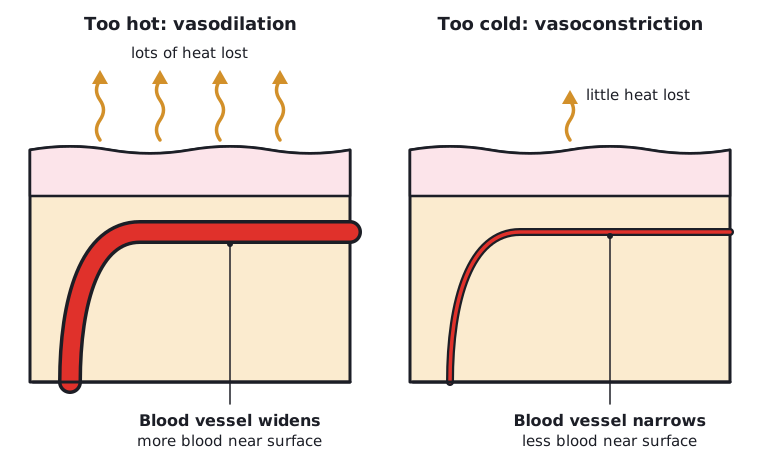
The skin helps control body temperature. When the body is too hot, sweat glands release sweat, which evaporates and takes heat from the skin, and vasodilation widens blood vessels in the dermis so more blood flows near the surface and more heat is lost. When too cold, little sweat is made and vasoconstriction reduces heat loss.
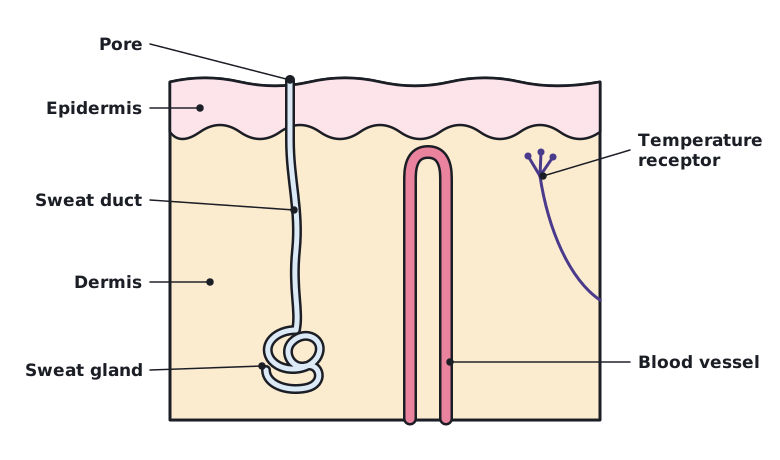
The skin helps to keep the body temperature steady. It has two main layers, the epidermis (thin outer layer) and the dermis below it. The dermis contains sweat glands, blood vessels and temperature receptors.
 (opens full size in a new tab)
| Body too hot | Body too cold | |
|---|---|---|
| Sweating | Sweat glands release sweat onto the skin. Sweat evaporates and takes heat from the skin, cooling the body | Little or no sweat is produced |
| Blood vessels in the dermis | Vasodilation: vessels widen, more blood flows near the surface, more heat is lost | Vasoconstriction: vessels narrow, less blood flows near the surface, less heat is lost |
| Overall effect | More heat is lost, so body temperature falls back to normal | Less heat is lost, so body temperature rises back to normal |
 (opens full size in a new tab)
Blood vessels do not move up or down in the skin. They get wider (vasodilation) or narrower (vasoconstriction).
Quick check
Name two differences between nervous and hormonal communication.
Show answer
Nervous is fast and short-lived using electrical impulses; hormonal is slower and longer-lasting using chemicals in the blood.
Which gland makes insulin?
Show answer
The pancreas.
Where is adrenaline produced?
Show answer
In the adrenal glands.
Biology only What does ADH change in the kidney?
Show answer
It makes the collecting ducts more permeable to water, so more water is reabsorbed.
What happens to skin blood vessels when you are too hot?
Show answer
They widen (vasodilation), so more heat is lost.
Written and checked against the Edexcel IGCSE Biology (4BI1) specification · Updated October 2026