
Book a tutor

Digesting starch and protein in detail

Human nutrition · Chemical digestion · note 2 of 2

Spec 7.4.6, 7.4.7
Supplement (what this means)Supplement: only for the Extended papers (2 and 4). Core students can skip it. What the labels mean
Download all Chemical digestion notes (PDF)Download all notes (PDF)4 pages

Digesting starch and protein in detailSpec 7.4.6, 7.4.7

In short

Starch is digested in two steps: amylase from the salivary glands and pancreas breaks starch down to maltose, then maltase on the membranes of the small intestine epithelium breaks maltose down to glucose. Protein is digested by proteases: pepsin works in the acidic stomach, and trypsin works in the alkaline small intestine.

Starch

  1. Amylase from the salivary glands and the pancreas breaks starch down to maltose.
  2. Maltase breaks maltose down to glucose. Maltase is on the membranes of the epithelium lining the small intestine.
  3. Glucose is small and soluble, so it can be absorbed into the blood.
starch → maltose (amylase); maltose → glucose (maltase)

Protein

Two proteases
ProteaseWhere it worksConditions
PepsinStomachAcidic, because of the hydrochloric acid in gastric juice
TrypsinSmall intestineAlkaline, because of the bile mixed with the food

Each enzyme has an optimum pH. Pepsin works best in acid and trypsin works best in alkali. Both are proteases, so both break down protein.
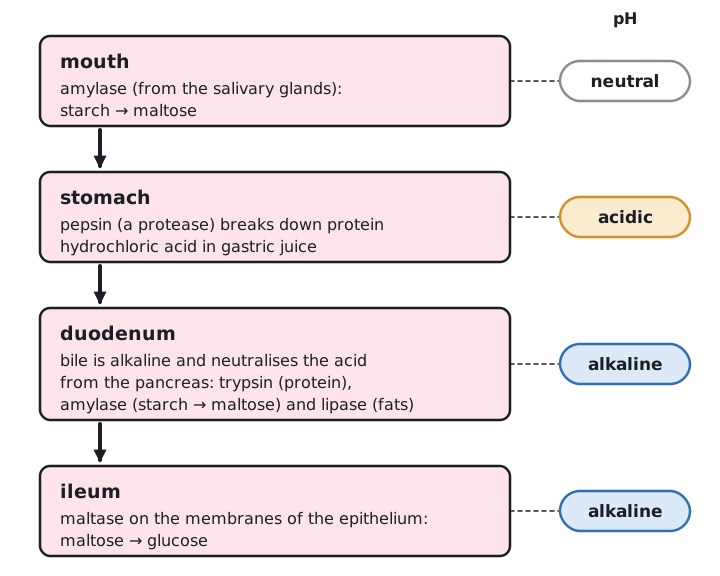
Flow diagram of digestion: mouth (amylase from the salivary glands: starch to maltose; neutral), stomach (pepsin breaks down protein; hydrochloric acid; acidic), duodenum (bile is alkaline and neutralises the acid; trypsin, amylase and lipase from the pancreas; alkaline), ileum (maltase on the membranes of the epithelium: maltose to glucose; alkaline). (opens full size in a new tab)
Pepsin works in the acidic stomach; trypsin works in the alkaline small intestine, where bile has neutralised the acid.
Common mistake:

Amylase does not make glucose directly. It makes maltose, and maltase then makes glucose. Link each enzyme to its own product.

Quick check

  1. What is chemical digestion?

    Show answer

    The breakdown of large insoluble molecules into small soluble molecules.

  2. What does lipase break down fats and oils into?

    Show answer

    Fatty acids and glycerol.

  3. Where is amylase secreted?

    Show answer

    Salivary glands and pancreas.

  4. Supplement Which enzyme breaks maltose down to glucose, and where is it found?

    Show answer

    Maltase, on the membranes of the epithelium lining the small intestine.

  5. Supplement Why does trypsin work in the small intestine but pepsin does not?

    Show answer

    Trypsin works in alkaline conditions and pepsin works in acidic conditions; bile makes the small intestine alkaline.

Written and checked against the Cambridge IGCSE Biology (0610) specification · Updated October 2026

Frequently asked questions

What enzymes break down proteins?

Proteins are broken down into amino acids by enzymes called proteases. Proteases are secreted by the stomach and the pancreas, and they act in the stomach and the small intestine. Amino acids are small and soluble, so they can be absorbed into the blood. Learn the substrate, product and both places for each enzyme.

What enzymes digest carbohydrates?

Starch is digested by amylase, secreted by the salivary glands and the pancreas, which breaks it down to simple reducing sugars in the mouth and small intestine. The pancreas releases its amylase into the duodenum, so it is secreted there but acts in the small intestine. The small, soluble sugars can then be absorbed into the blood.

What enzymes does the pancreas produce?

The pancreas produces amylase, protease and lipase and releases them into the duodenum. Amylase breaks starch into simple reducing sugars, protease breaks protein into amino acids, and lipase breaks fats and oils into fatty acids and glycerol. The pancreas secretes these enzymes, but they act in the small intestine.

All 4 questions on Chemical digestion

Finished chemical digestion? Test yourself:Exam questionsFlashcards